

Technology
Protected transactions for
high-end computer technology
Detailed specifications
Verified participants
Tracked delivery
Technical inspection
Buyer approval before release
Technology purchases supported
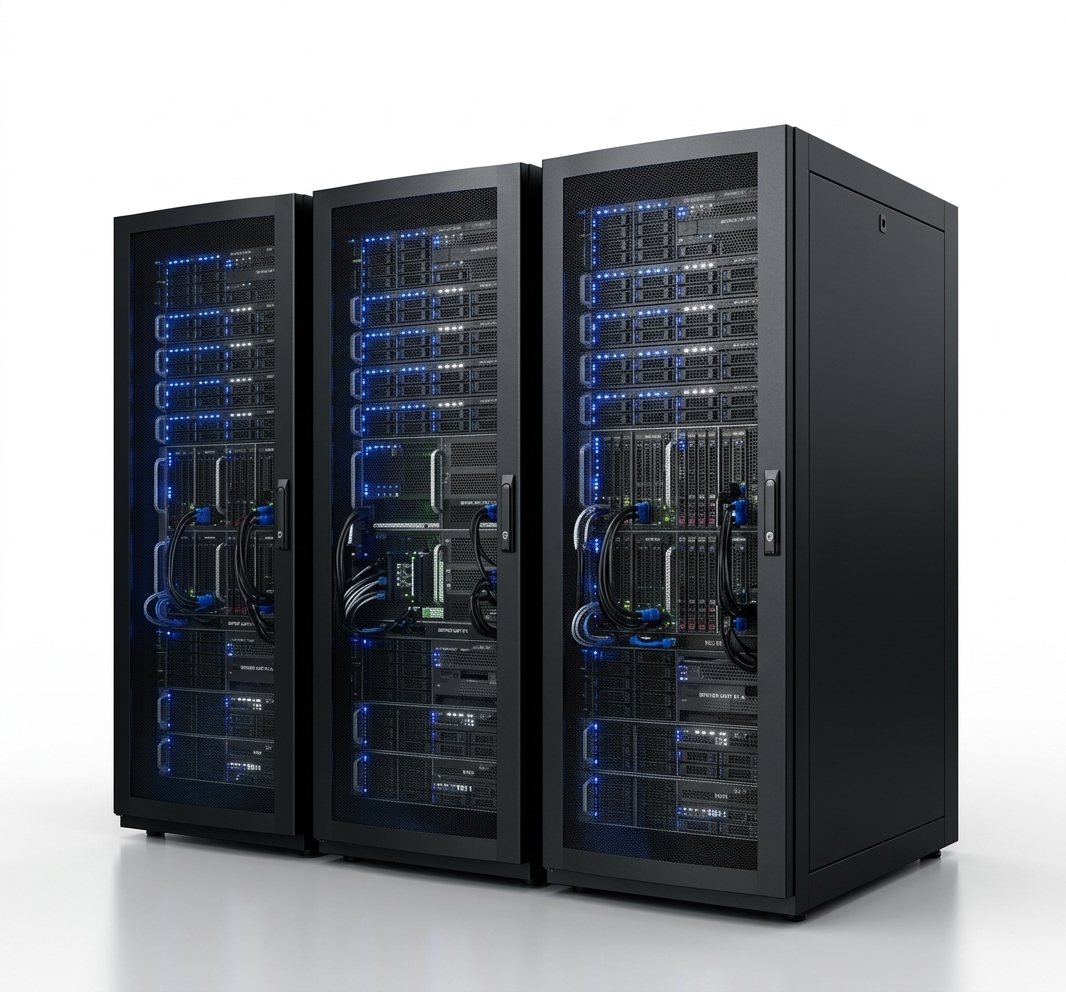
AI and GPU servers
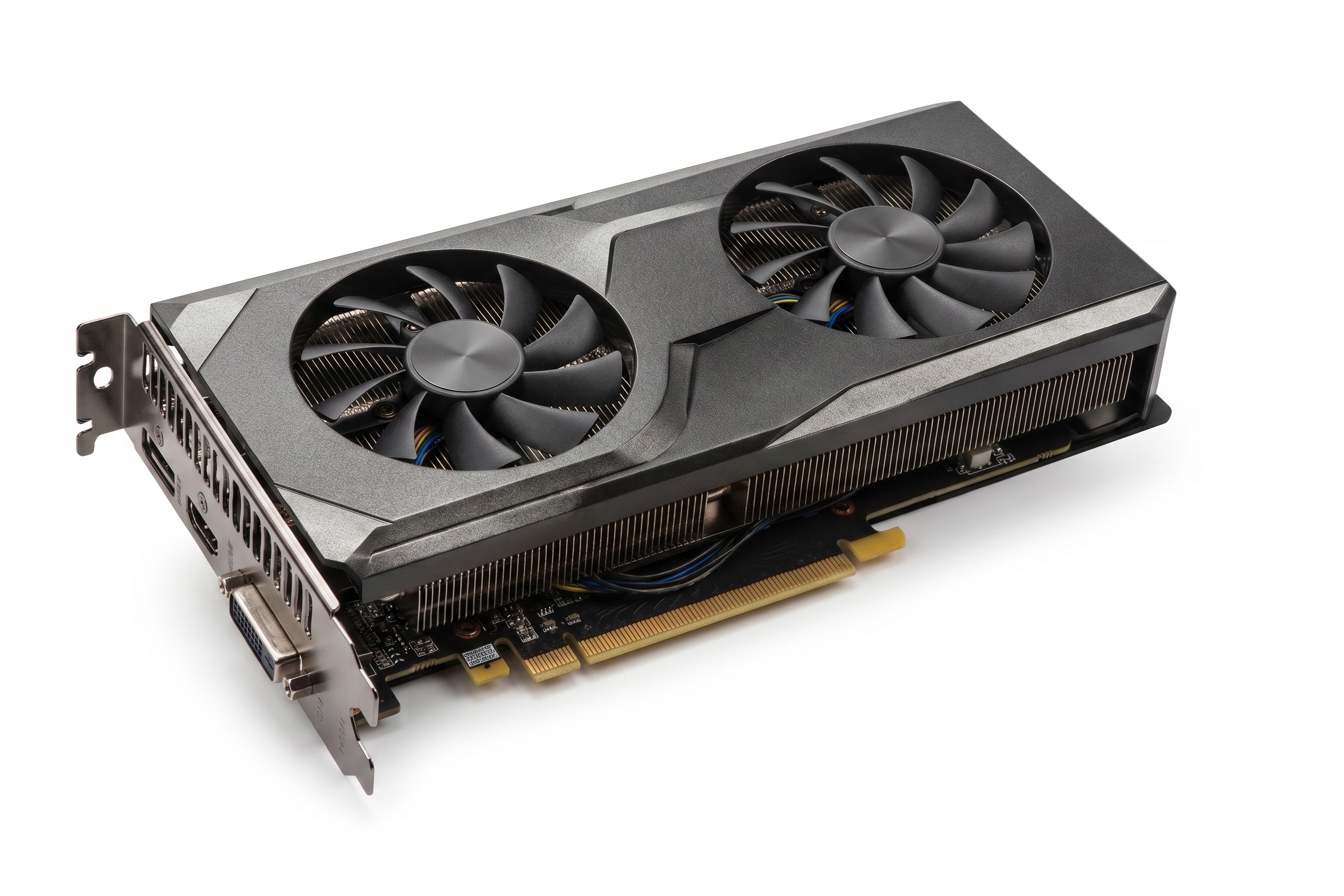
GPU accelerators
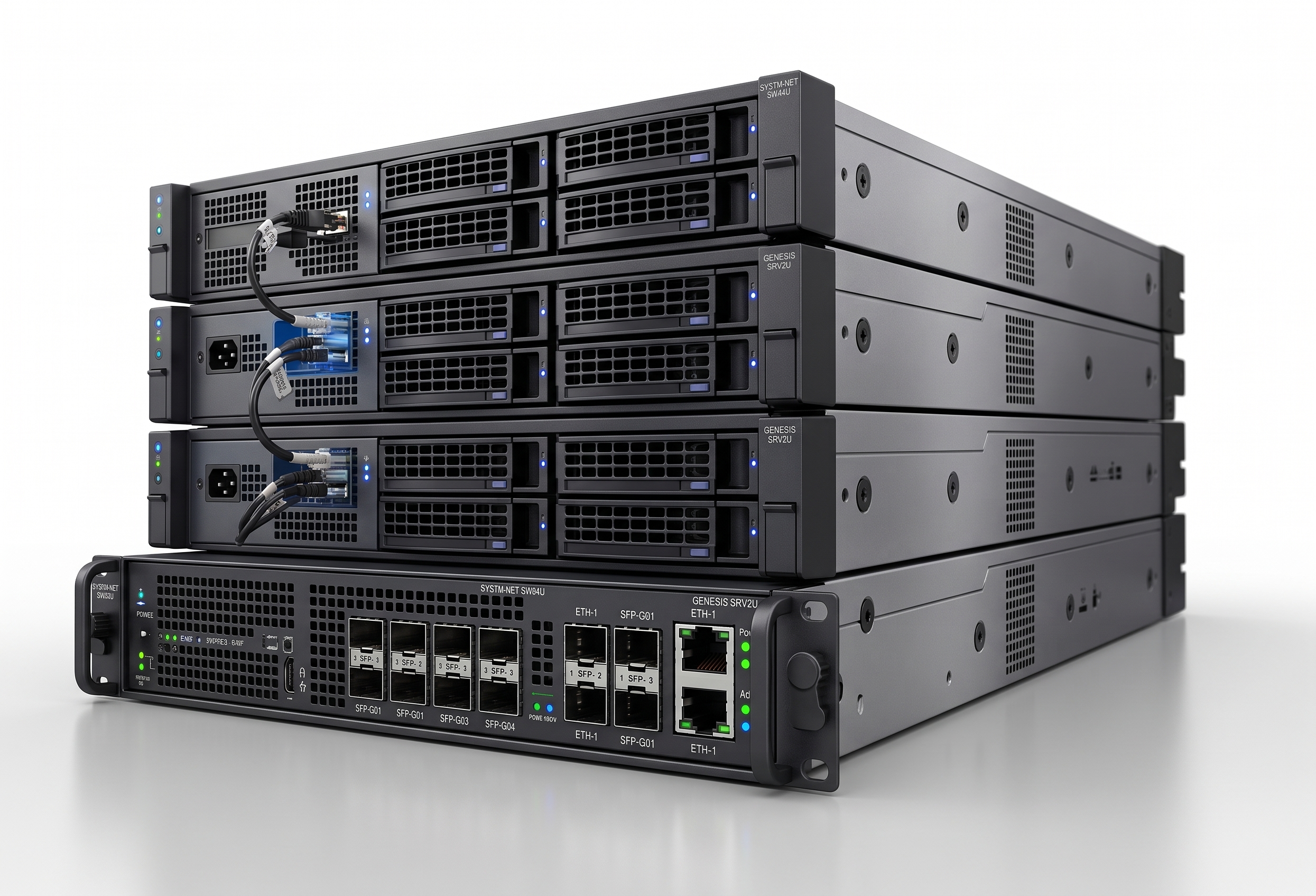
Enterprise servers
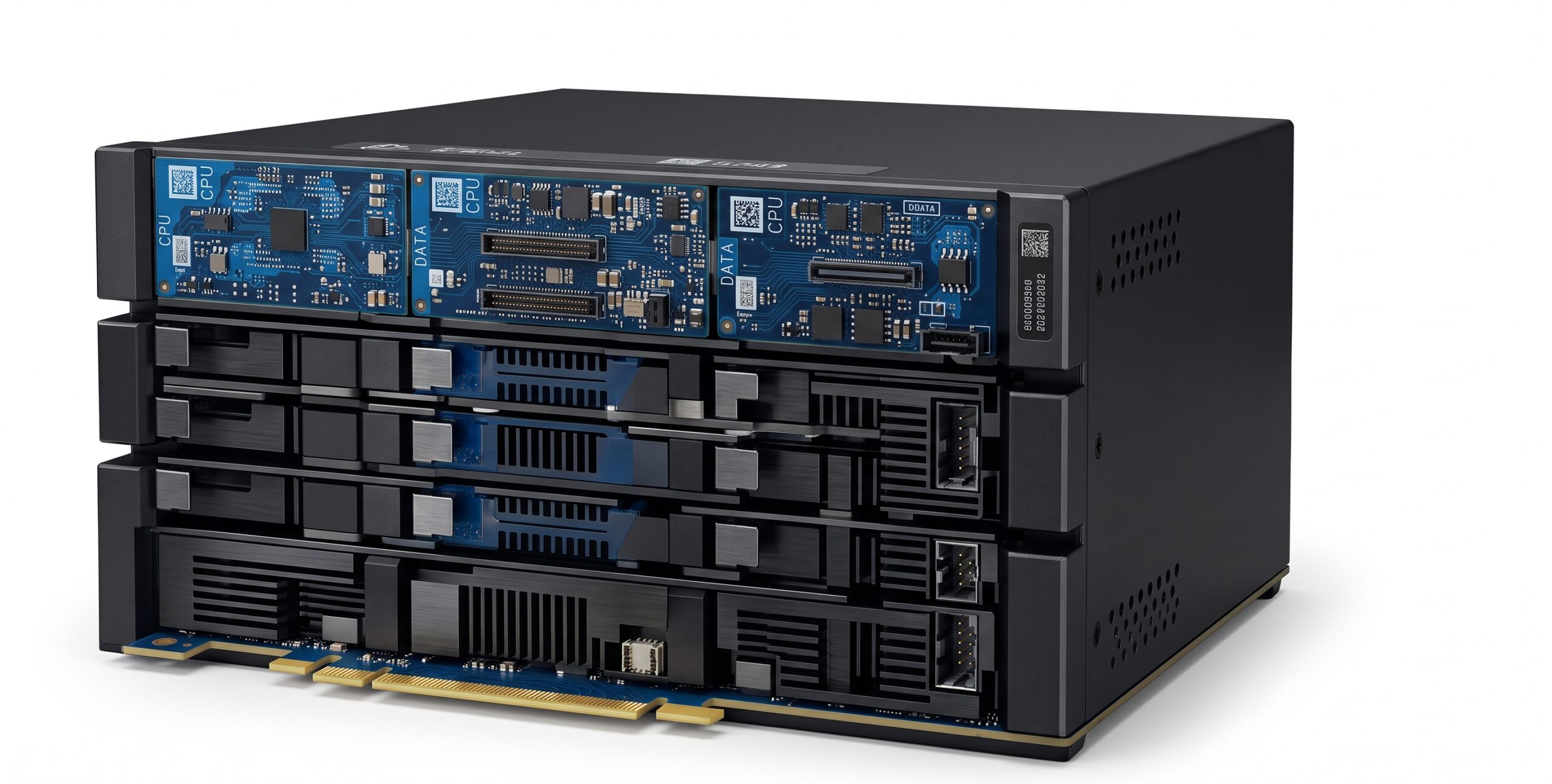
Storage systems
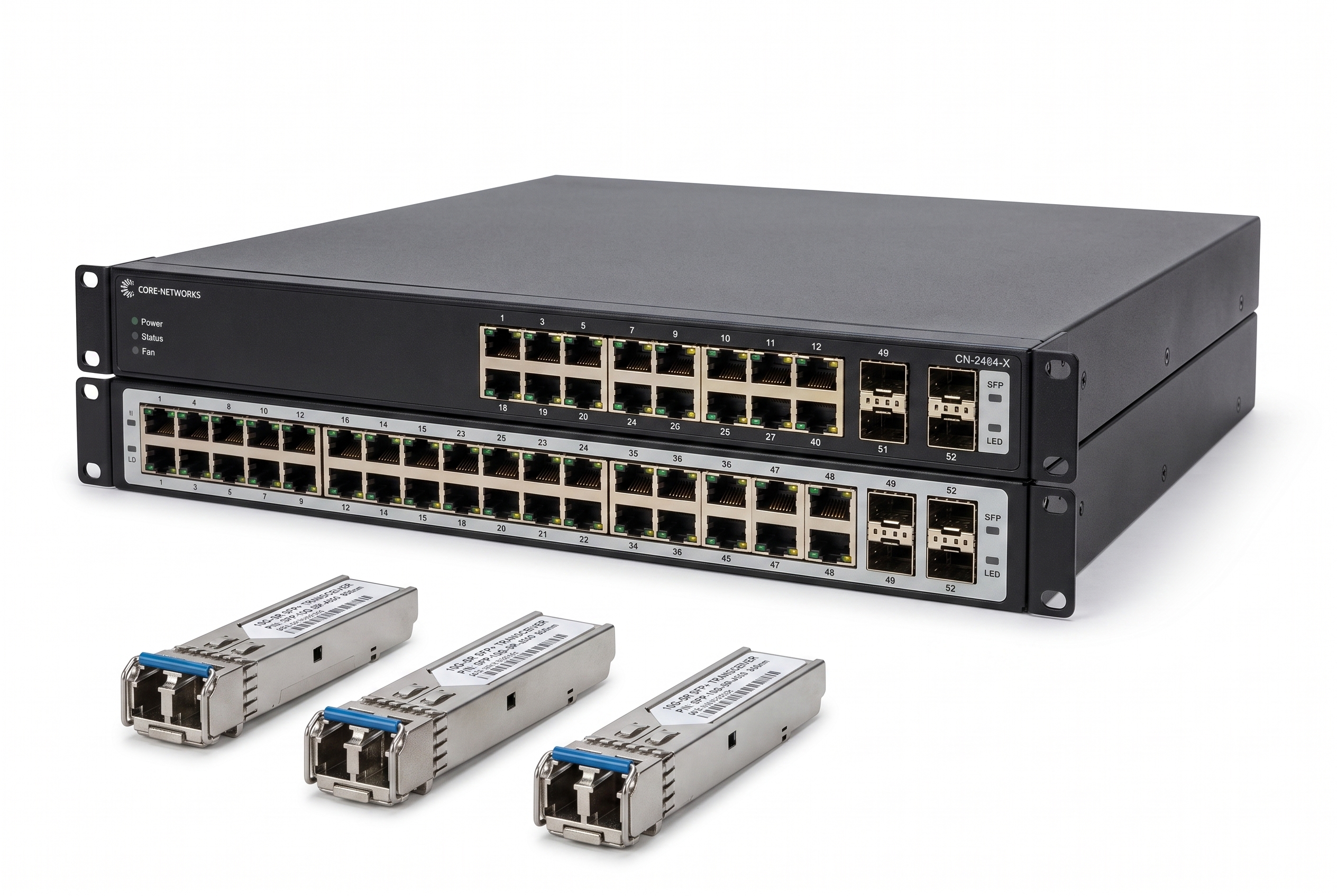
Networking hardware
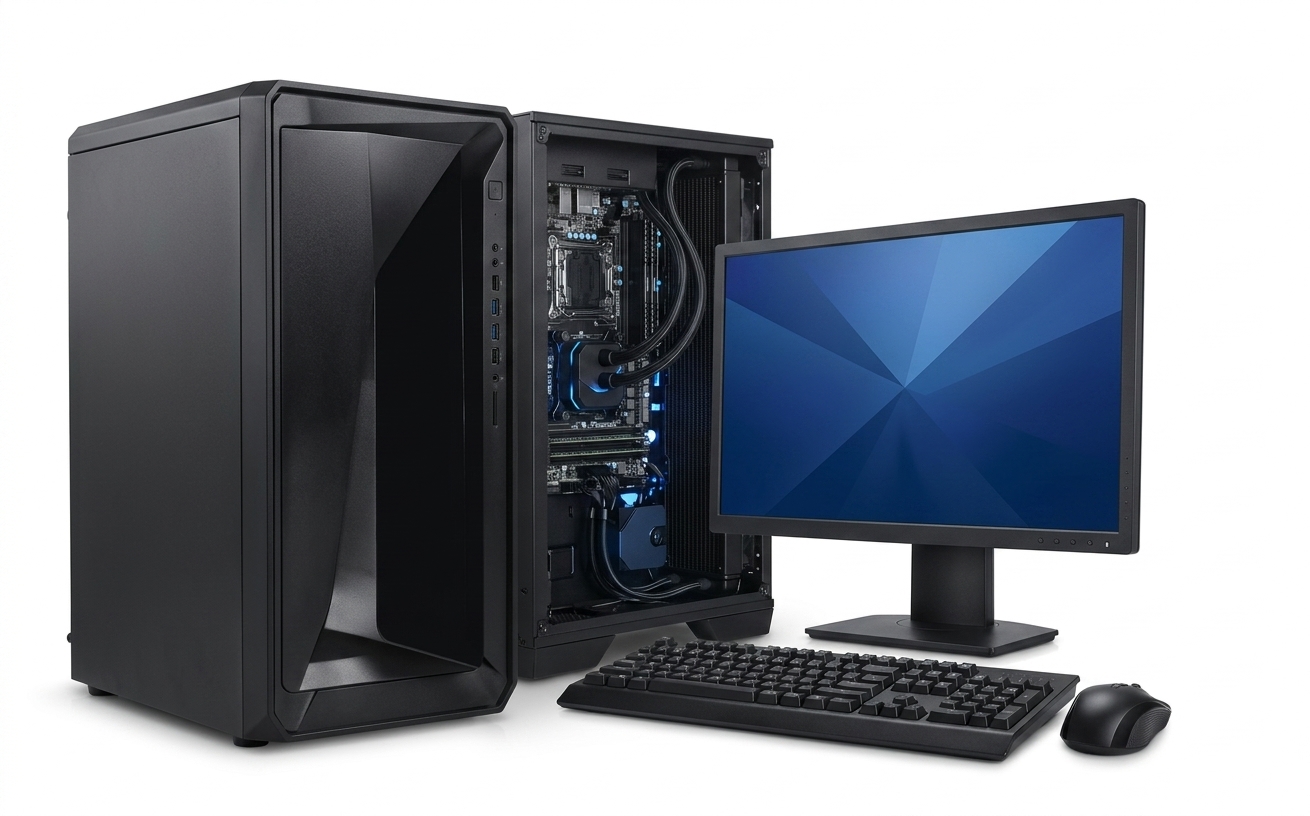
High-end workstations
A clear seven-step technology transaction
1
Define the system
Record manufacturer, model, configuration, quantity, condition, accessories and intended use.
2
Verify the parties
Confirm seller identity, ownership, authority and buyer representatives.
3
Agree on terms
Set price, currency, warranty, delivery, inspection, acceptance and release conditions.
4
Submit funds
Buyer submits the agreed amount through Rbcpay's protected payment process.
5
Document and ship
Seller records serial numbers, condition, packing and approved carrier tracking.
6
Inspect and test
Buyer or qualified inspector verifies the system during the inspection period.
7
Approve and release
Buyer approval triggers funds release according to the documented transaction terms.
Build the technical specification record

- System manufacturer and model
- Chassis and form factor
- GPU model, quantity and memory
- CPU model, count and core configuration
- RAM type, speed and total capacity
- Storage type, capacity and RAID configuration
- NICs, switches and optical modules
- Power supplies, cooling and rack requirements
- Firmware, system software and licences
- Warranty, support and included accessories
Evidence before shipment
Current photographs
Complete system, components, labels and condition.
Serial numbers
Chassis and high-value component identifiers.
Ownership evidence
Invoice, purchase record or seller authority.
Configuration proof
Firmware, inventory or diagnostic report.
Packing records
Static protection, foam, crates, seals and package count.
Shipping documents
Carrier, tracking, weight, dimensions and declared contents.
Delivery options for valuable technology
Approved trackable carrier
End-to-end tracking and signature confirmation.
Specialised freight
Pallet, crate, lift-gate and data centre delivery.
On-site collection
Identity confirmation and signed collection record.
Cross-border shipping
Customs, receipt, import and chain-of-custody records.
Technical inspection and acceptance testing

Identity
Model, configuration, serial numbers and ownership documents.
Physical condition
Damage, tampering, missing ports, seals and packaging.
Functional testing
Power on, diagnostics, component inventory, temperatures and network operation.
Acceptance
Benchmarks, agreed workload, warranty documents and required accessories.
Protection against common technology transaction risks
1
Counterfeit components
Verify components with records, inspection and diagnostics.
2
GPU or CPU substitution
Confirm exact models and configuration before approval.
3
Incorrect memory or storage
Verify type, speed, capacity and configuration.
4
Used equipment sold as new
Inspect condition, wear and service indicators.
5
Altered serial numbers
Match serial numbers with records and manufacturer tools.
6
Missing licences or warranties
Confirm licences, warranty terms and transfer requirements.
7
False inventory claims
Validate availability, quantities and staging with evidence.
8
Empty-box or partial shipment
Verify contents, count and packaging integrity.
9
Unverified shipping changes
Confirm changes in writing and update records.
10
Export or customs misrepresentation
Ensure accurate descriptions and compliance.

- Review the exact configuration before paying
- Confirm seller identity and ownership
- Track shipping and chain of custody
- Use a defined technical inspection period
- Compare delivered components to the bill of materials
- Report shortages, damage or substitutions
- Approve only after acceptance requirements are satisfied

- Work from one documented technical agreement
- Confirm transaction and payment status
- Record serial numbers and pre-shipment condition
- Demonstrate configuration and ownership
- Use documented delivery and inspection terms
- Preserve evidence of packing and shipment
- Receive release when agreed conditions are met
Large purchases, brokers and milestones
Large orders
Multi-unit systems, staged delivery and documented quantities.
Brokers and agents
Verified authority, disclosed roles, fees and communication.
Milestone transactions
Configuration approval, inspection, delivery and acceptance stages where permitted.
Cross-border technology transactions
- Buyer, seller and consignee legal names
- Country of origin and final destination
- Export shipping and required authorisations
- Import permits and customs documentation
- Complete description, value and quantity
- Carrier and chain-of-custody records
- Duties, taxes and brokerage responsibilities
- Inspection location and deadline
- Warranty validity in the destination country
- Release conditions for delays or regulatory holds
If the equipment does not match
1
Pause
2
Document
3
Report
4
Review
Before buyer approval, the final technology checklist
- Exact item and quantity received
- Model and configuration match
- CPU and GPU inventory verified
- Memory and storage verified
- Serial numbers match the record
- No undisclosed damage or tampering
- Power on and diagnostics passed
- Performance or acceptance tests passed
- Licences and warranty documents received
- Accessories and spare parts included
- Shipping and inspection evidence complete
- All discrepancies resolved or formally reported